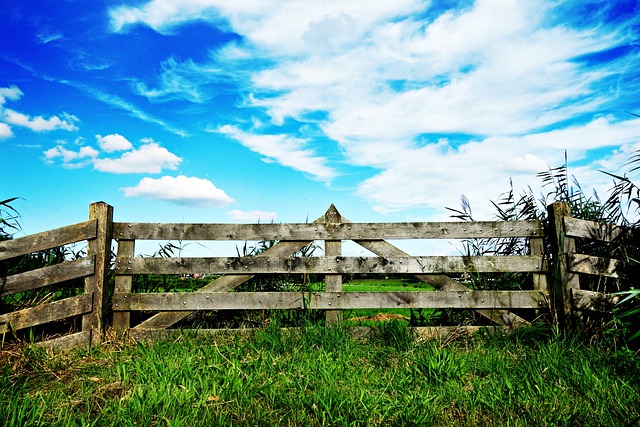
When safeguarding expansive lands, discerning property owners face a multitude of fencing options. This article navigates the landscape of cost-effective fencing solutions tailored for large properties. From the enduring nature of wood to the expansive reach of high-tensile wire and the no-nonsense durability of chain link, we explore each material’s strengths. Additionally, we delve into innovative composite and recycled materials that blend functionality with environmental consciousness. Proper installation and maintenance practices further underscore the potential for long-term cost savings in securing your property effectively. Join us as we examine these fencing solutions to determine which aligns best with your specific needs and budget.
- Evaluating Your Property's Fencing Needs
- Wood Fencing: Durability Meets Affordability
- High-Tensile Wire Fences for Livestock and Large Areas
- Chain Link Fencing: Strength and Simplicity
- Alternative Materials: Composites and Recycled Options
- Long-Term Cost Savings with Proper Maintenance and Installation Practices
Evaluating Your Property's Fencing Needs
When evaluating your property’s fencing needs for large expanses, it’s crucial to consider several factors that will influence the type of fencing solution best suited for your land. Begin by assessing the primary purpose of the fence; whether it’s for security, privacy, containing livestock, or defining boundaries, each objective may necessitate different materials and designs. For instance, high tensile wire fences are ideal for corralling animals, while chain link fences offer a cost-effective solution for demarcating large areas with good visibility. Next, consider the topography and environment of your property. Steep slopes or wetlands may require specialized installation methods to ensure stability and durability. Additionally, local regulations and zoning laws must be reviewed to comply with any restrictions on fencing materials and heights.
The size and shape of your land also play significant roles in determining the most practical fencing options. Long, straight lines might favor wooden or steel panel fences, while irregular boundaries could call for a more adaptable system like a vinyl coated chain link or a composite material that can conform to various terrain challenges without compromising on longevity or aesthetic appeal. Further, the climate in your region should be taken into account; materials prone to rust or rot in humid conditions, for example, may not be the most cost-effective choice in the long run. Lastly, your budget and the expected lifespan of the fence will guide you towards solutions that offer the best value for money, ensuring that your investment in fencing is both secure and sustainable over time.
Wood Fencing: Durability Meets Affordability
When considering fencing options for large properties, wood fencing stands out as a cost-effective and durable choice that strikes an excellent balance between security, privacy, and aesthetic appeal. Wood, a naturally renewable material, offers a variety of styles from traditional picket to modern board-on-board designs, catering to different tastes and property types. Its durability is a testament to its enduring popularity; properly maintained wooden fences can last for decades, providing a long-term solution that withstands the elements and everyday wear and tear. Moreover, advancements in wood treatment technologies have enhanced the longevity and resistance of wood fencing against pests and rot, ensuring its performance over time. The affordability of wood is another compelling factor; it typically costs less per linear foot than many alternative materials like vinyl or metal, making it a financially sensible option for large-scale fencing projects. The environmental considerations associated with wood are also noteworthy, as it is a renewable resource when sourced from sustainably managed forests. This makes wood fencing not only an economical choice but also an environmentally friendly one, contributing to the sustainable management of natural resources.
High-Tensile Wire Fences for Livestock and Large Areas
High-tensile wire fences represent a cost-effective and durable solution for containing livestock across large properties. These fences consist of multiple strands of high-strength steel wires that offer both security and resilience against the forces of nature such as strong winds or heavy snowfall. The design of these fences allows for greater tensile strength, reducing the likelihood of damage and the need for frequent repairs. Moreover, they are versatile enough to be adapted to various terrains, making them suitable for diverse landscapes from flat plains to hilly areas. The installation process is efficient, involving less labor compared to traditional post-and-rail fencing, which translates into lower initial costs and reduced maintenance expenses over time. Additionally, the spacing of the wires can be adjusted based on the specific containment needs for different species of livestock, enhancing the effectiveness of the fence as a herding tool. The use of high-tensile wire fences not only ensures the safety and confinement of animals but also blends with the natural environment, maintaining the aesthetic appeal of the property while keeping costs under control.
Chain Link Fencing: Strength and Simplicity
Chain link fencing stands out as a cost-effective solution for securing large properties, offering both strength and simplicity in its design and implementation. Its robustness lies in the high tensile strength of the galvanized or coated steel wire strands that make up the mesh, providing an effective barrier against intruders while maintaining visibility through the structure. The durability of chain link fencing is further enhanced by its resistance to environmental factors such as wind and snow loads, making it a reliable choice in various climates.
The simplicity of installation and maintenance is another key advantage of chain link fencing. Its modular design allows for quick assembly on-site, which can significantly reduce labor costs and project timelines. Moreover, routine maintenance is minimal, with the occasional cleaning and tightening of connections being all that’s required to keep it in optimal condition. This low-maintenance aspect not only saves time but also ensures long-term value for money. Chain link fencing is versatile, adaptable to different terrains, and can be customized with privacy slats or wind screens if desired, offering flexibility to meet the specific needs of a large property while maintaining its cost-effective nature.
Alternative Materials: Composites and Recycled Options
When considering cost-effective fencing solutions for large properties, alternative materials such as composites and recycled options present both environmental and economic benefits. Composites, a blend of various materials including wood fibers, plastic resins, and binders, offer a durable and low-maintenance alternative to traditional wood or vinyl fences. These composite fences resist rot, decay, and insect damage, and their longevity can often outlast pure timber, making them a wise investment over time. Additionally, composites come in a variety of styles and colors that can mimic the aesthetic of natural wood without the need for frequent repainting or staining.
On the other hand, recycled materials have gained traction as an eco-friendly option for fencing. These can range from plastic bottles to old tires, with innovative companies transforming waste into functional and attractive barriers. Not only do these recycled fences contribute to waste management efforts by repurposing materials that might otherwise end up in landfills, but they also offer a unique and sustainable solution to property demarcation. The use of recycled materials can significantly reduce the environmental footprint of large-scale fencing projects, aligning with the growing trend towards sustainability. Both composites and recycled options serve as testaments to the ingenuity in creating fences that are both economical and environmentally friendly, catering to the needs of large properties while respecting the planet’s resources.
Long-Term Cost Savings with Proper Maintenance and Installation Practices
When considering cost-effective fencing solutions for large properties, the initial investment is just one aspect of the overall financial picture. Long-term savings can be realized through meticulous maintenance and strategic installation practices. High-quality fencing materials, when installed correctly, not only offer durability and longevity but also minimize the frequency of repairs and replacements over time. Regular upkeep, such as cleaning, inspecting for damage, and addressing minor issues promptly, can prevent small problems from escalating into costly repairs. By selecting a fence that aligns with the property’s specific needs and environmental conditions, landowners can ensure that their fencing investment remains secure and functional for years to come, thus reducing the total cost of ownership. Proper installation ensures that the fence is anchored securely, which not only enhances its lifespan but also its effectiveness in serving as a boundary or security feature. In essence, the blend of choosing the right materials, installing them correctly, and maintaining them diligently contributes significantly to the long-term cost savings associated with large-scale fencing solutions.